
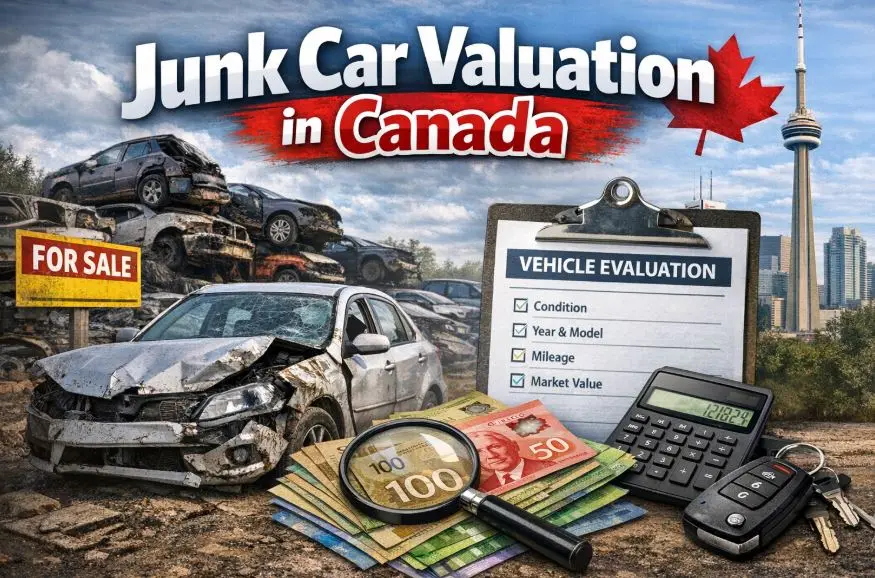
Do you use scrap car value calculator? In Canada, the notion of a “junk car” has changed over time. What used to be a discarded and immobile piece of machinery is now an important resource in the scrap car industry. Even if a car is old, worn out or has been damaged – it retains value in the form of parts, materials, and its resale value. For car owners, being able to effectively analyse this value is a key factor in negotiating a fair scrap car prices.
When it comes to selling a junk car, it is not just about a transaction, but understanding of the market, vehicle condition and industry trends. This detailed guide will assist in valuing your junk car and will guide you through the process of selling it in Canada.
Understanding the basics of junk car value
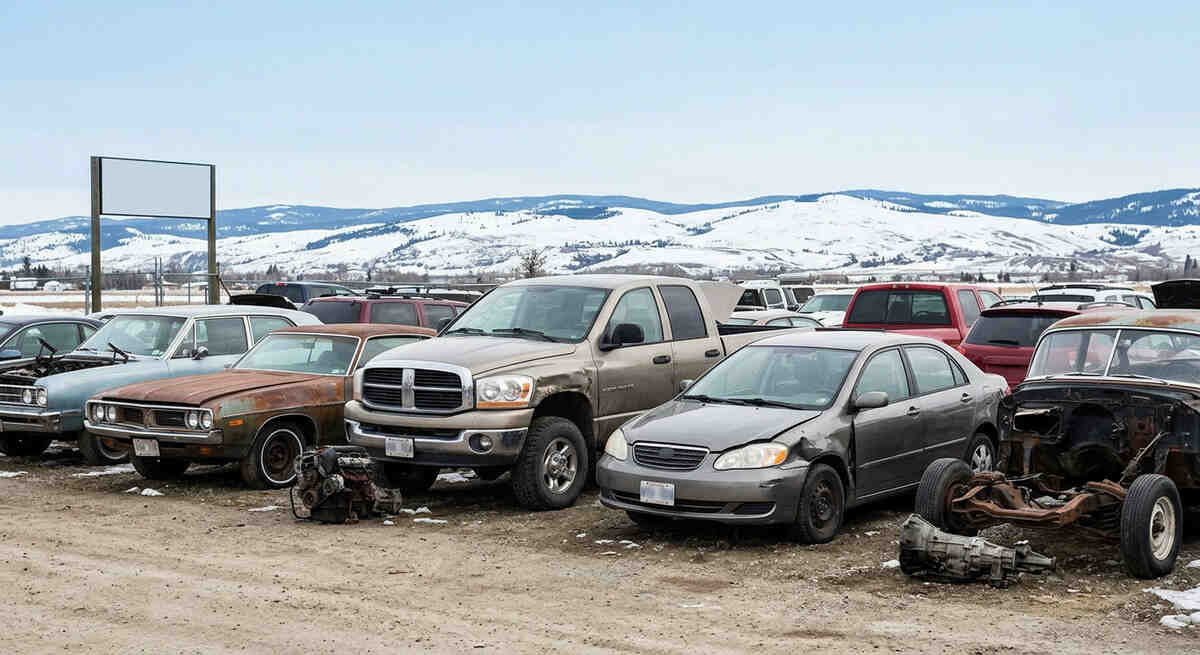
How to scrap my car best price? To evaluate a junk car – it’s crucial to first understand what qualifies as a junk car. Generally, a junk car is:
- Is no longer safe or cost-effective to repair
- Has been damaged by accidents, rust or wear
- Has been deemed unsafe or unroadworthy
- Has been declared a write-off by insurers
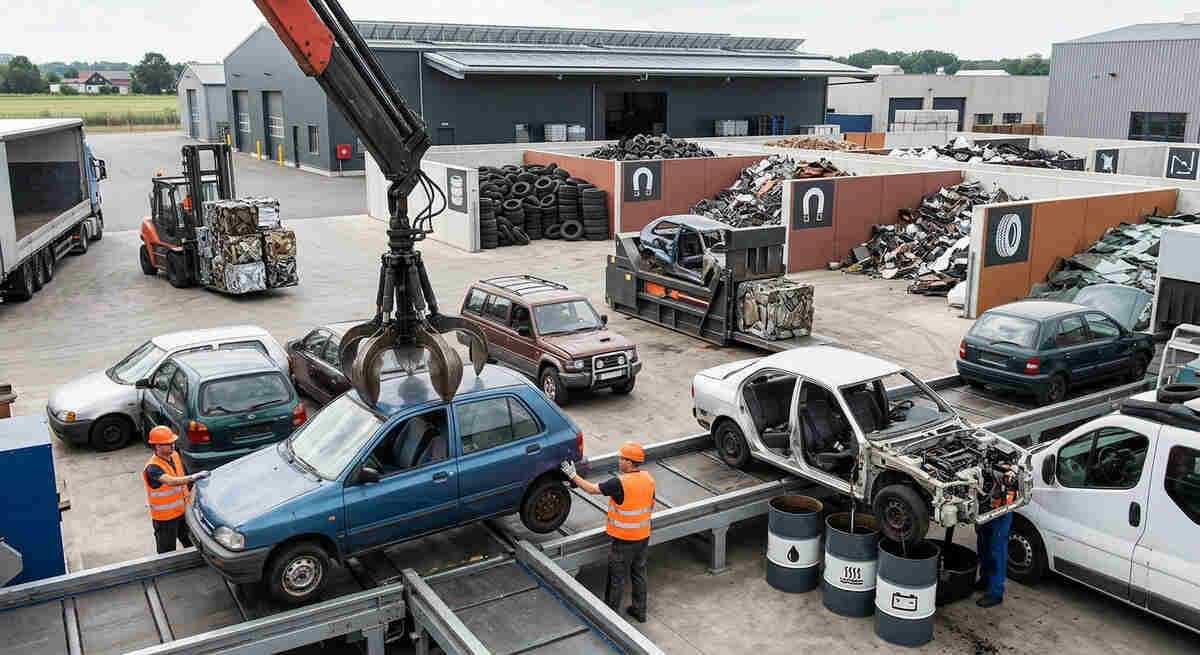
But don’t think “junk” is “worthless”. Junk cars are often made of recyclable metals and they have parts that can be reclaimed and re-used.
- Start with a Comprehensive vehicle Condition assessment
Condition is the most important aspect when valuing junk cars. Start with a thorough assessment of the vehicle:
Operational Scrap Vehicle Prices Status
Does it still run? Cars that are able to start – albeit with limited mobility, will command a higher price than a completely inoperable ones
Structural Integrity
Examine the body, chassis and undercarriage. Rust or frame damage can severely impact value.
Mechanical condition
Look at key components like the engine, gearbox, brakes’ and suspension. Even if the vehicle is not operational – good parts can still be valuable.
Interior and Exterior State
Cosmetic damage is less crucial than mechanical faults but a good interior or exterior panels can add value.
A clear and honest assessment will help buyers’ deliver an accurate quote and equip you with information for bargaining
- Evaluate the Make, model and year
Your vehicle’s make, model and year is an important part of determining value. Some makes and models’ are more sought after in the aftermarket because of their reliability, popularity or general ease of repair.
- Certain brands may have a greater demand for parts
- More recent models may have higher quality parts
- Older models may have unique or rare components
A newer model sedan with a damaged body but a good engine might demand a higher price than an older and more worn-out car.
- Analyse Current Scrap Metal Prices
Scrap metal prices provide the foundation for junk car prices in Canada. Cars are made predominantly out of steel – but also contain aluminum, copper and other recyclables.
Key considerations for best scrap car prices Toronto include:
- Market conditions: Scrap metal prices’ fluctuate based on supply and demand
- Vehicle weight: heavier cars’ contain more scrap
- Metal composition: Some parts – such as catalytic converters contain valuable metals like platinum, palladium and rhodium
Keeping an eye on scrap metal prices will give you a general idea of the lowest price you might expect for your vehicle. Even if your car has no parts that can be reused – you will still receive some money for the scrap weight.
- Identify and Isolate Valuable Components
A key strategy to boost your junk car’s value is pinpointing the parts’ with a high scrap value. If you can, selling these individually, or making sure they are factored into your quote can help you get more money out of your junk car.
Popular high-value components include:
- Engine and transmission systems
- Catalytic converter (one of the most valuable parts)
- Battery and electrical systems’
- Alternator and starter motor
- Rims and alloy wheels
- Sat nav, infotainment and electronic units
Whole cars with usable parts are often bought by car recyclers who repair and sell these parts, adding to the value of the junk car.
- Consider Location and Accessibility
Your junk car’s value can be affected by location. Generally, the markets in Canadian cities are more competitive because of increased demand and proximity to recycling sites.
Factors that impact value include:
- Access to a scrap buyer or yard
- Towing or pickup options
- Demand for parts and materials in your area
Some repairers’ provide free towing; others may charge towing fees to you, which can be deducted from your repair costs. Being aware of these details allows you to make an informed comparison.
- Request and Compare Multiple Quotes
A crucial step in getting the most for your junk car is to shop around. Buyers will have different criteria for valuing your junk car, depending on their stock requirements, recycling processes and pricing structures.
Best practices include:
- Contact multiple licensed scrap car buyers or auto recyclers
- Provide accurate information about your car to each buyer
- Inquire about the quote’s breakdown
Don’t sell too quickly. This will help ensure you are getting a fair scrap car prices in Toronto and not being short-changed.
- Know the Legal and documentation requirement
There are some legal and documentation requirements for selling a junk car in Canada – which may differ between provinces. Being prepared with the proper documentation can help avoid any holdups’
Essential documents scrap car value calculation Ontario may include:
- Rights of ownership or title
- Valid identification
- Bill of sale (if applicable)
- Cancellation of license plate (some provinces)
Not providing adequate documentation can turn buyers away, and could decrease your asking price.
- Take Out personal Belongings and evaluate Add-Ons
Prior to selling your car, check for personal belongings. You should also consider add-ons that could have their own value.
Examples include:
- Premium audio systems
- Custom wheels or performance upgrades
- New batteries or tires
You may be able to make more money selling these items separately versus as part of the car sale.
- Consider Timing and Market Factors
The timing of your junk car sale might affect the price you get. Demand for scrap metal and parts might be influenced by economic cycles, seasons and industry demands.
For instance:
- Construction boom may increase metal demand
- Seasonal repair trends may boost parts demand
- Economic factors may affect recycling
Although the timing of your sale may not massively affect the value of your vehicle, it can help you get the best return for your vehicle.
- Work with Reputable Buyers
Finally, it is important to work with the right buyers’. Trusted firms offer fair pricing, comprehensive valuations and quality service
Look for buyers who:
- Are licensed and insured
- Provide clear and transparent scrap car value in Ontario
- Offer free towing or pickup
- Follow environmentally responsible recycling practices
A reliable buyer will give you a fair deal, and a safe transaction.
Final Thoughts
When it comes to assessing a junk car for its sale value in Canada – practicality and market knowledge are key. Reconsidering the value of scrap metal, re-usable parts and buyer offers are all essential factors when it comes to calculating the value of your vehicle.
With some research and a bit of planning – you can turn a seemingly useless junk car into a valuable commodity. Scrap cars may be past their prime but with a plan – they can still provide valuable returns.
Whether you are decluttering, buying a new car, or just looking to monetise a resource that’s not in use, taking the time to analyse your junk car will help you achieve the best result.